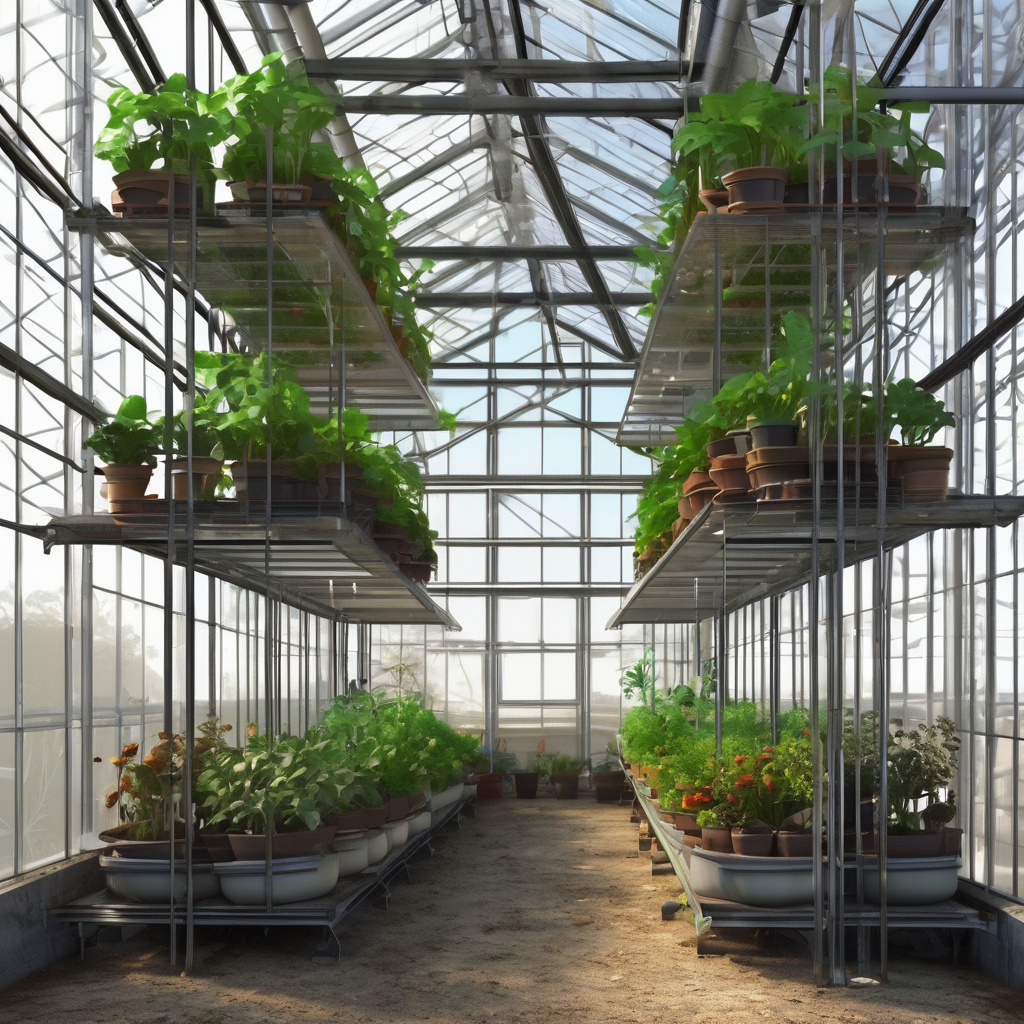
This article delves into the role of vertical gardens as an innovative approach in urban environments to address the challenges posed by future climate conditions. Through a comprehensive review of existing literature and case studies, it evaluates the potential benefits of vertical gardens in mitigating urban heat island effects, improving air quality, enhancing biodiversity, and promoting urban resilience. Furthermore, it examines the challenges and considerations associated with implementing vertical gardens in cities, providing insights into their significance as a climate adaptation strategy in urban planning and design.
Preparing cities for future climate has become imperative due to the increasing impacts of climate change on urban areas. Urbanization, rising temperatures, extreme weather events, and air pollution are among the challenges that necessitate proactive measures and adaptation strategies. Among these strategies, vertical gardens emerge as a promising solution due to their potential to mitigate urban heat island effects, improve air quality, enhance biodiversity, and contribute to urban resilience. This article aims to explore the role of vertical gardens in addressing these challenges and providing insights into their integration into urban planning practices.
Urban Heat Island Mitigation: The urban heat island effect, caused by heat-absorbing materials and limited green spaces, exacerbates rising temperatures in urban areas. Vertical gardens offer a solution by reducing ambient temperatures through evapotranspiration and shading. Studies and case examples demonstrate their effectiveness in mitigating heat island effects and improving thermal comfort in urban environments.
Air Quality Improvement: Urbanization contributes to air pollution, adversely affecting public health. Vertical gardens act as natural air purifiers, removing pollutants and particulate matter through plant respiration and filtration. Their integration into urban spaces enhances air quality and promotes healthier environments.
Biodiversity Enhancement: Urban ecosystems suffer from biodiversity loss due to habitat destruction. Vertical gardens provide opportunities for habitat creation and ecological connectivity, supporting urban biodiversity. Examples showcase how these green installations foster biodiversity in cities and contribute to ecosystem resilience.
Urban Resilience and Adaptation: Urban resilience in the face of climate change involves enhancing adaptive capacity and reducing vulnerability. Vertical gardens contribute to urban resilience by managing stormwater, reducing flood risks, and providing cooling effects during heatwaves. Case studies highlight their role in enhancing the resilience of urban infrastructure and communities.
Challenges and Considerations: Despite their benefits, implementing vertical gardens poses technical, maintenance, economic, and social challenges. Engineering considerations, long-term viability, maintenance requirements, economic implications, and community engagement are essential factors to address in vertical garden implementation.
Vertical gardens offer multifaceted benefits in preparing cities for future climate challenges. Integrating them into urban planning practices can mitigate risks, enhance resilience, and promote sustainability. Addressing challenges and leveraging opportunities associated with vertical gardens is essential for their effective implementation. Future research should focus on further understanding their impacts and optimizing their integration into urban environments.
Leave a Reply