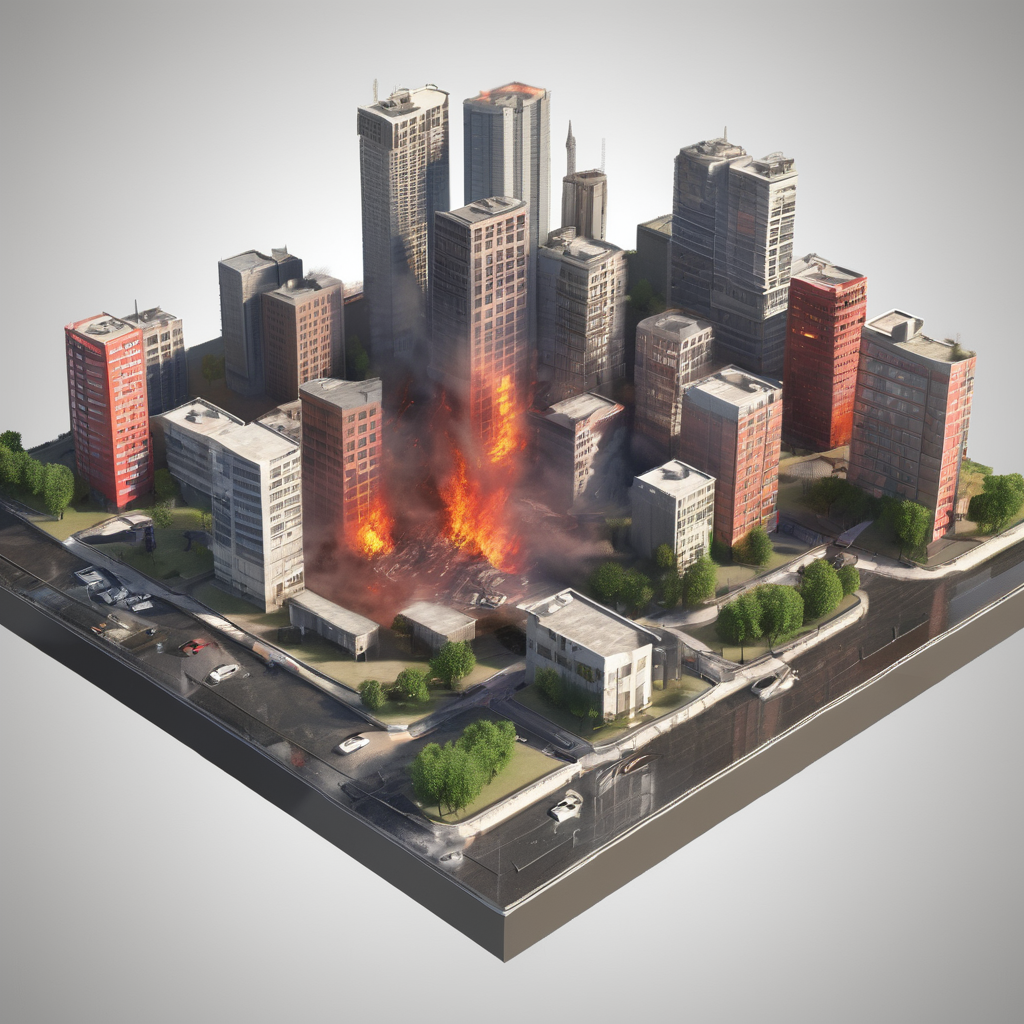
The Urban Heat Islands (UHI) effect is a pressing issue in urban areas worldwide, exacerbated by the concentration of buildings, roads, and other heat-absorbing surfaces. As temperatures rise due to climate change, the need to mitigate UHI effects becomes increasingly urgent. Nature-based solutions offer promising strategies to combat UHI by harnessing the cooling power of nature. In this article, we explore the concept of nature-based solutions to UHI and their potential to create cooler, more resilient cities.
Understanding Urban Heat Islands and Their Impacts: Urban Heat Islands refer to areas within cities that experience significantly higher temperatures than their rural surroundings, primarily due to human activities and urban infrastructure. Factors contributing to UHI include the absorption and retention of heat by buildings and pavement, reduced vegetation cover, and waste heat from vehicles and industrial activities. The impacts of UHI include:
- Health Risks: Higher temperatures associated with UHI can exacerbate heat-related illnesses and increase the risk of heatstroke, particularly among vulnerable populations such as the elderly, children, and individuals with pre-existing health conditions.
- Energy Consumption: UHI exacerbates energy demand for cooling, leading to increased electricity consumption and greenhouse gas emissions from air conditioning systems, which further contribute to climate change.
- Environmental Degradation: Elevated temperatures in UHI areas can stress urban ecosystems, leading to reduced biodiversity, increased air and water pollution, and degradation of green spaces, exacerbating the urban heat island effect.
- Economic Costs: UHI imposes economic costs on cities through increased healthcare expenses, higher energy bills, reduced labor productivity, and damage to infrastructure and property.
Nature-Based Solutions to Combat Urban Heat Islands: Nature-based solutions offer effective strategies to mitigate UHI effects while providing multiple co-benefits for cities and their residents. Here are some key nature-based solutions:
- Urban Greening: Increasing vegetation cover in urban areas through tree planting, green roofs, and green walls can provide shade, reduce surface temperatures, and enhance evapotranspiration, thereby cooling the surrounding environment. (Reference: “Urban Greening to Cool Towns and Cities: A Systematic Review of the Empirical Evidence.” – Bowler, Diana E. et al. 2010. Landscape and Urban Planning.)
- Blue-Green Infrastructure: Incorporating blue-green infrastructure elements such as vegetated swales, rain gardens, and wetlands into urban design can help manage stormwater runoff, reduce flooding, and mitigate UHI effects by enhancing evaporative cooling and groundwater recharge. (Reference: “Urban Blue–Green Infrastructure for Climate Change Adaptation.” – Tzoulas, Konstantinos et al. 2007. Environmental Management.)
- Cool Pavements and Surfaces: Using cool pavements, light-colored materials, and reflective coatings on buildings can reduce surface temperatures and minimize heat absorption, mitigating UHI effects and lowering energy consumption for cooling. (Reference: “Cool Roofs and Pavements Toolkit: Field and Laboratory Research Results.” – Akbari, Hashem et al. 2005. Lawrence Berkeley National Laboratory Report.)
- Urban Forests and Parks: Enhancing and expanding urban forests, parks, and green spaces can provide natural cooling, improve air quality, and promote biodiversity while offering recreational opportunities and enhancing the quality of life for urban residents. (Reference: “The Role of Urban Forests in Urban Heat Islands Mitigation.” – McPherson, E. Gregory et al. 1997. General Technical Report PSW-GTR-166.)
Benefits of Nature-Based Solutions for UHI Mitigation: Nature-based solutions offer a range of benefits for cities:
- Temperature Reduction: Nature-based solutions help lower temperatures in UHI areas, creating cooler and more comfortable urban environments for residents and reducing the risk of heat-related illnesses.
- Energy Savings: By reducing the need for air conditioning and cooling systems, nature-based solutions help lower energy consumption and greenhouse gas emissions, leading to cost savings and environmental benefits.
- Improved Air Quality: Vegetation and green infrastructure filter air pollutants, absorb carbon dioxide, and release oxygen, improving air quality and enhancing public health in urban areas affected by UHI.
- Enhanced Resilience: Nature-based solutions increase urban resilience to climate change impacts by mitigating heat stress, reducing flood risks, and enhancing biodiversity and ecosystem services in cities.
Nature-based solutions offer effective and sustainable strategies to combat Urban Heat Islands, mitigate climate change, and create healthier, more resilient cities. By integrating green infrastructure, urban greening, and cool surface technologies into urban planning and design, cities can harness the cooling power of nature to address the challenges of UHI while improving the well-being and quality of life for urban residents.
References:
- Bowler, Diana E. et al. “Urban Greening to Cool Towns and Cities: A Systematic Review of the Empirical Evidence.” Landscape and Urban Planning 97.3 (2010): 147-155.
- Tzoulas, Konstantinos, et al. “Urban Blue–Green Infrastructure for Climate Change Adaptation.” Environmental Management 43.2 (2009): 229-238.
- Akbari, Hashem, et al. “Cool Roofs and Pavements Toolkit: Field and Laboratory Research Results.” Lawrence Berkeley National Laboratory Report (2005).
- McPherson, E. Gregory, et al. “The Role of Urban Forests in Urban Heat Islands Mitigation.” General Technical Report PSW-GTR-166 (1997).
Leave a Reply